System Modelling
We model national and regional power systems, turning scenario uncertainty into policy-relevant insight for governments, industry bodies and international institutions.
what is System Modelling?
System modelling builds an hour-by-hour picture of how a power system could evolve under different technology, policy and demand scenarios, showing what is achievable, what it costs, and where a plan is likely to run into trouble. It’s for organisations planning policy or investment at scale: industry bodies, climate advocacy groups, technology providers, and national and international institutions.
A decision on technology mix, market design or demand growth has consequences across the whole system, not just the part directly affected. System modelling narrows that uncertainty into testable scenarios, so a planning decision can be made against evidence rather than assumption.
what is System Modelling?

The cost of inaction
An uninformed technology or policy choice can lock in a pathway that turns out to be delayed, expensive to unwind, or simply infeasible. We test pathways before capital or policy is committed, not after.

Clarity in an uncertain future
Every study sets out the scenarios, data and methodology behind it, so you can see what a result depends on and what would change it.
Insight built for policy
We translate model output into the indicators a decision actually rests on. It's the same approach behind our 300 TWh study for the Confederation of Swedish Enterprise, handed directly to the Swedish Government.

Purpose-built modelling tools
Every scenario we model is assessed against decarbonisation targets alongside cost, reliability and security of supply, using our own tools, cGrid and GenX, alongside open-source models.
Our experience in the field
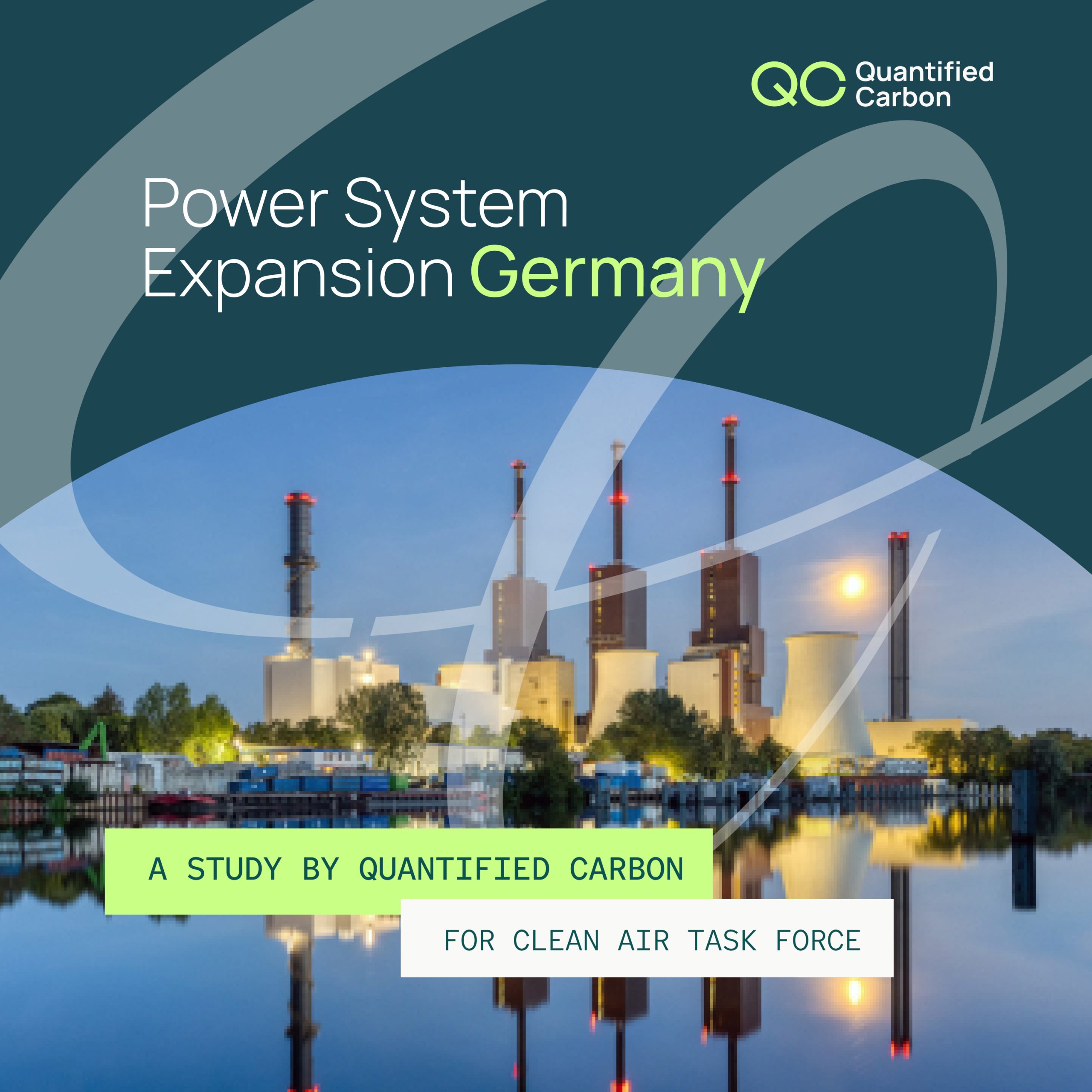
Clean Air Task Force (CATF) — power system expansion, Germany
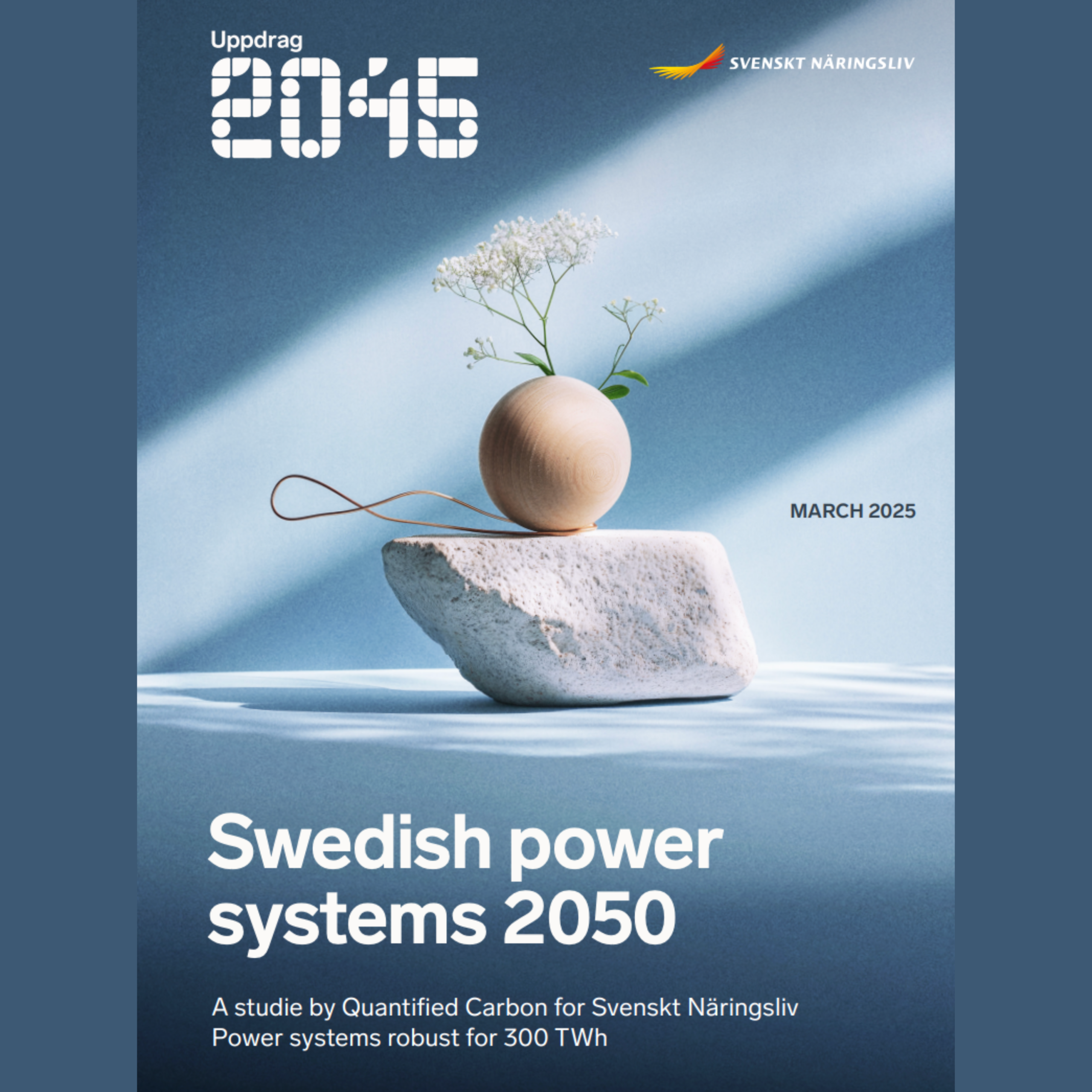
Swedish power system at 300 TWh - Confederation of Swedish Enterprise
Content goes here .. (2)
Content goes here .. (3)
What our analysis looks like
Sample visualisations from our system modelling studies, illustrating our analysis of scenario pathways, system cost and long-term power system development.


Let us know your email address and we’ll get in touch to arrange a free consultation.




advised over xxx companies